Best Ultralight Backpacking Gear Under $100
Twelve budget ultralight items from this list together come to under $400 and total 42.8 oz carried in the pack plus 10.4 oz of trekking poles worn. The single best cheap upgrade is an under-$25 digital pocket scale, because manufacturer weights are optimistic often enough to change your decisions.
Cheap wins come first. Before you spend $400 on a Dyneema pack, there is a stack of gear under $100 that takes more weight off a traditional kit than any single premium purchase does, and the very first item costs Under $25. A digital pocket scale is the cheapest possible upgrade to a gear list, because until you weigh your own kit you are optimising a spreadsheet rather than a pack.
Below is everything on this site under $100, in ascending price order. It is not a tier list and it is not a kit, it is a shopping order: work down it, and the weight comes off long before the expensive decisions arrive.
Ultralight backpacking gear under $100, cheapest first

Digital Pocket Scale, 500g x 0.01g
The cheapest possible upgrade to your gear list, because manufacturer weights are optimistic often enough to matter. Weigh everything once and your spreadsheet stops lying to you.

TOAKS Titanium Long Handle Spork
The long handle reaches the bottom corner of a freeze dried pouch without coating your knuckles in stew. A small thing that you notice every single night.

BRS 3000T Ultralight Titanium Stove
Under an ounce and under twenty dollars, which is why it appears in more sub-10 lb gear lists than any other stove. The pot supports are small and it is poor in wind, so use a windscreen and a pot under a litre.
Best for: Solo hikers boiling water for freeze dried meals and coffee, nothing more ambitious.

Frogg Toggs Ultra-Lite2 Rain Suit
A jacket and pants for the price of a takeaway meal, and lighter than most single rain jackets. The fabric tears on brush, so treat it as a consumable rather than a purchase.
Best for: Thru-hikers who replace rain gear every few hundred miles anyway.

Darn Tough Light Hiker Micro Crew Socks
Merino, seamless, and covered by an unconditional lifetime guarantee that Darn Tough genuinely honours. Two pairs on trail plus one sleep pair is the standard rotation.
Best for: Everyone. Socks are the one place where the expensive option is measurably cheaper per mile.
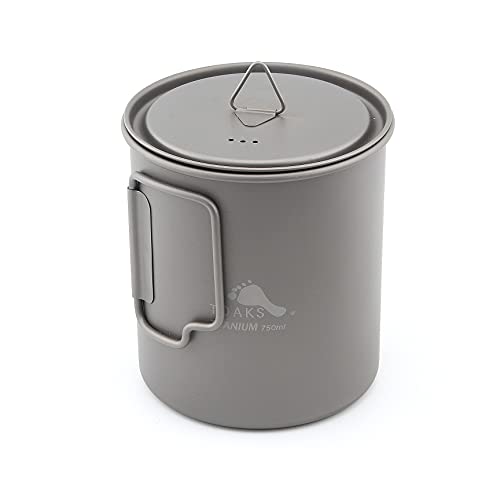
TOAKS Titanium 750ml Pot
750ml is the size that fits one freeze dried meal or two mugs of coffee, and titanium takes the abuse of a stove pushed into a pack for months.
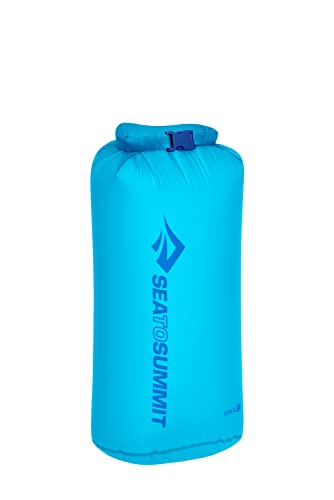
Sea to Summit Ultra-Sil Dry Bag, 13L
Keeps the quilt dry, which is the only thing in the pack that must stay dry. A trash compactor bag does the same job for a dollar and 1.5 ounces, and this survives a lot longer.

MSR Groundhog Tent Stakes, 6 Pack
Y-beam aluminium stakes that hold in soil that spits out cheap round pins. The stakes packed with most tents are the first thing worth upgrading.
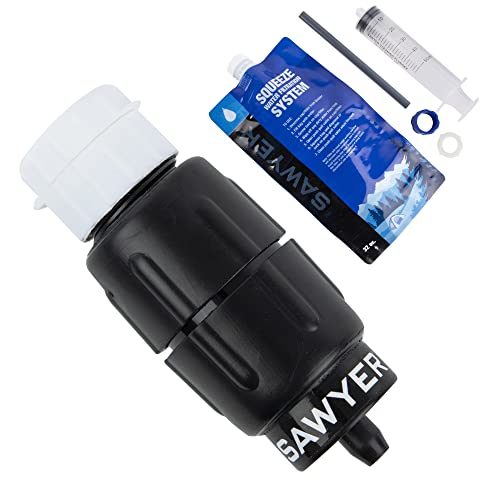
Sawyer Micro Squeeze Water Filtration System
Two ounces, threads straight onto a standard soda bottle, and rated to 0.1 micron. Flow is slower than the full size Squeeze and slows further as it clogs, so backflush it more often than you think you need to.
Best for: Solo hikers on clear water sources who are counting every ounce.

Sea to Summit Aeros Ultralight Pillow, Large
Under three ounces for a real pillow. A stuff sack full of clothing is free and works, but it also unpacks itself at 3am.

Nitecore NU25 UL 400 Lumen Headlamp
Under two ounces with the battery built in, 400 lumens on high, and a red mode that does not blind your tent partner. The single most copied headlamp in ultralight gear lists.
Best for: Camp chores and the occasional hour of night hiking.

Klymit Static V Inflatable Sleeping Pad
Uninsulated, so it is a summer pad, but it is comfortable and it costs less than a tank of gas. The V-chamber design stops the side-to-side roll that plagues cheap tube pads.
Best for: Summer trips above freezing, and as a spare for guests.

Katadyn BeFree 1.0L Collapsible Filter Bottle
The fastest flow of any squeeze filter out of the box, and the soft flask packs down to nothing when empty. It also clogs faster in silty water and the flask is the failure point.
Best for: Clear alpine water and anyone who hates standing at a creek squeezing a bag.

Therm-a-Rest Z Lite Sol Closed Cell Foam Pad
It cannot pop, it needs no inflation, it doubles as a sit pad and a pack frame, and you can cut it shorter with scissors. It is also the least comfortable pad here by a wide margin.
Best for: Anyone who has had an air pad fail at 2am, and thru-hikers who want a pad that survives 2,000 miles.
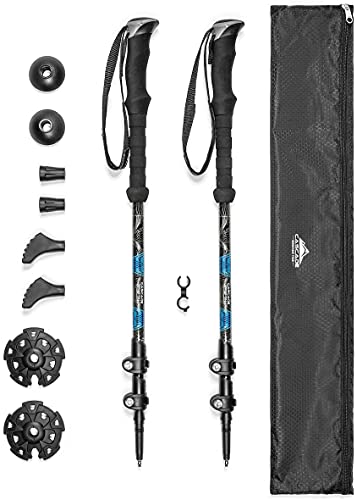
Cascade Mountain Tech Carbon Fiber Trekking Poles
Carbon poles at an aluminium price, and the pair most commonly seen holding up a trekking pole tent. Flip locks are the failure point, so carry a small screwdriver or check them at every road crossing.
Best for: Nearly everyone, and mandatory if your shelter needs poles to stand up.
Weights are the manufacturer's listed figures. Prices and stock change constantly, so confirm on the retailer page. We earn commissions from Backcountry and from qualifying Amazon purchases. Where a pick is sold only by its maker, the buttons search comparable gear instead.
What does this list cost and weigh together?
Two pairs on the list are alternatives rather than additions: there are two sleeping pads and two water filters, and nobody carries both of each. Take one of each and you get a buildable set of twelve carried items plus the scale that stays home, for under $400.
The eleven items that ride in the pack total 42.8 oz, which is 2 lb 10.8 oz. The trekking poles add 10.4 oz as worn weight, since poles in your hands are not pack contents, for 53.2 oz carried in total. Put that next to the tier definitions: an ultralight base weight is under 10 lb, or 160 oz, and a traditional kit starts at 20 lb. These eleven items cover the cook kit, water treatment, sleeping pad, lighting, stakes, pillow, dry bag, socks and full rain protection for roughly a quarter of an ultralight budget.
| Item | Price | Weight | Job |
|---|---|---|---|
| Digital Pocket Scale, 500g | Under $25 | Stays home | Verifies every other number here |
| TOAKS Titanium Long Handle Spork | Under $25 | 0.6 oz | Eating |
| BRS 3000T Titanium Stove | Under $25 | 0.9 oz | Cooking |
| MSR Groundhog Stakes, 6 pack | Under $25 | 2.8 oz for six | Shelter |
| Frogg Toggs Ultra-Lite2 Rain Suit | Under $25 | 12 oz for the set | Rain jacket and pants |
| Darn Tough Light Hiker Socks | Under $25 | 1.8 oz per pair | Feet |
| TOAKS Titanium 750ml Pot | Under $50 | 3.6 oz | Cooking |
| Sea to Summit Ultra-Sil Dry Bag, 13L | Under $50 | 1.4 oz | Keeps insulation dry |
| Sawyer Micro Squeeze | Under $50 | 2.0 oz | Water treatment |
| Sea to Summit Aeros Pillow | Under $50 | 2.1 oz | Sleep quality |
| Nitecore NU25 UL Headlamp | Under $50 | 1.6 oz | Light |
| Klymit Static V Pad | Under $50 | 1 lb 2.6 oz | Sleeping pad, summer only |
| Katadyn BeFree 1.0L | Under $50 | 2.3 oz | Water treatment, faster flow |
| Therm-a-Rest Z Lite Sol | Under $100 | 14 oz | Sleeping pad, indestructible |
| Cascade Mountain Tech Carbon Poles | Under $100 | 10.4 oz per pair | Walking, and holding up a shelter |
| All fifteen items | Under $500 | Not additive | Two pads and two filters are alternatives |
Where does cheap gear actually beat expensive gear?
In small hardware, regularly. The under $25 BRS 3000T weighs 0.9 oz against 7.1 oz for the under $250 Jetboil Stash system, so the budget stove is both cheaper and lighter by a wide margin. The under $50 Nitecore NU25 is 1.6 oz against 2.6 oz for an under-$100 headlamp with a better beam. Titanium cookware costs little and there is nothing above it to buy.
The pattern breaks where you are paying for fabric and down. A under $100 Z Lite Sol at 14 oz is only one ounce heavier than an under-$250 NeoAir XLite NXT at 13 oz, but the NeoAir carries an R value of 4.5 against a foam pad that sits well below it, so you are buying warmth rather than weight. Rain gear runs the same way: 12 oz of Frogg Toggs for under $25 gets you a jacket and pants, and 6.3 oz of Outdoor Research Helium for under $250 gets you a jacket that survives seasons instead of a few hundred miles.
So the rule is not "buy cheap". It is that the cheap option is fully competitive in stoves, pots, cutlery, lighting, stakes, dry bags and filters, and it costs you either weight or durability in pads, shells, packs and insulation. Spend accordingly, and use the first ultralight kit buying order if you are working out the sequence.
What is deliberately missing from this list
The big three: the pack, the shelter and the sleep insulation. Those are the three heaviest items in almost every kit and they are the three where under $100 genuinely means heavier, and sometimes means unsafe. A budget pack costs you around a pound over a good one, a budget shelter costs you two, and a sleeping bag is the item where a bargain can leave you cold at 2am.
Who should not buy the expert picks
Two items here sit at the top of the price range and neither suits everyone. The Therm-a-Rest Z Lite Sol at under $100 is the pad experienced hikers rave about, and it is also the least comfortable pad on this site by a wide margin. Side sleepers should not buy it as their only pad. If your hip goes numb on a firm mattress at home, a quarter inch of foam over ground will not go well, and no amount of ultralight discipline changes that. Its right buyers are people who have had an air pad fail at 2am, and thru-hikers who want a pad that survives 2,000 miles.
The Cascade Mountain Tech poles at under $100 are the other one. They are carbon, and carbon snaps outright under a sideways load while aluminium bends and keeps working. If you hike in talus and scree, or if your shelter depends on those poles to stand up, an aluminium pole is the better buy even though it is heavier and not on this page. The same logic applies to every expert-tier item on the site: the premium pick is a specialist tool for someone who has already run out of easier savings, and buying it first is how people end up with a $400 frameless pack stuffed with a 20 lb kit that it cannot carry.
Related reading
- How to cut base weight: the order of operations, cheapest fixes first
- Budget three season gear list: a full kit built around this thinking
- First ultralight kit buying order: what to replace and when
- Base weight calculator: total your own kit and check the claims
- Base weight tiers: super ultralight, ultralight, lightweight, traditional
- All gear reviews
Deciding on a specific model? We review the Nitecore NB10000 Gen II review in full.
Frequently asked questions
What is the best cheap ultralight gear upgrade?
A digital pocket scale at under $25, because it stops your gear list from lying to you. Manufacturer weights are optimistic often enough to matter, and until you weigh your own kit you are optimising a spreadsheet rather than a pack. After that, the biggest weight savings per dollar are a foam pad, a sub-ounce canister stove and a titanium pot, all under $100.
Can you go ultralight on a budget?
Yes, for the accessories, and only partly for the big three. Twelve items on this page together come to under $400 and add up to 42.8 oz in the pack plus 10.4 oz of poles worn. That covers the cook kit, water treatment, sleeping pad, lighting, stakes and rain gear. The pack, shelter and insulation are where budget options genuinely weigh more, and they are the last things to buy cheap.
Is budget gear always heavier than expensive gear?
No, and three items on this list disprove it. The under-$25 BRS 3000T stove is 0.9 oz against 7.1 oz for an under-$250 Jetboil Stash system. The under-$50 Nitecore NU25 headlamp is 1.6 oz against 2.6 oz for an under-$100 alternative. Cheap and heavy correlate in packs, shelters and sleeping bags, where you pay for fabric and down. In small hardware, they often do not.
What should I buy first when going ultralight?
Weigh everything, then replace the heaviest item you own that costs the least to fix. That is almost never the pack. For most people it is the cook kit, the sleeping pad, or two pounds of things they never actually use. Buying the pack first is the classic mistake, because a light frameless pack carries badly until the rest of the kit has already come down.
Is a foam pad warm enough for three season backpacking?
A closed cell foam pad at under $100 and 14 oz sits below the R 3 usually cited as the three season baseline, so it is a shoulder-of-summer pad on its own. It cannot pop, it needs no inflation and it doubles as a sit pad and pack frame. Stacked under an inflatable it adds R value, since R values are additive across stacked pads.
Does cheap gear mean unsafe gear?
Only if you cut the wrong things. Nothing on this list compromises shelter, insulation, navigation, water treatment or an emergency plan, and none of those should ever be dropped to hit a weight number. Going ultralight must not mean going unprepared. Cut a second cook pot, not your rain gear, and carry for the conditions you might actually meet.
How we choose: we compare published manufacturer specifications, listed weights, and verified owner reviews across retailers. We do not test gear in person, and every weight quoted here is the manufacturer's figure unless we say otherwise, so weigh your own kit before you trust a total. Going lighter also means carrying less margin, so treat insulation, navigation, water treatment and an emergency plan as fixed costs rather than places to save grams.
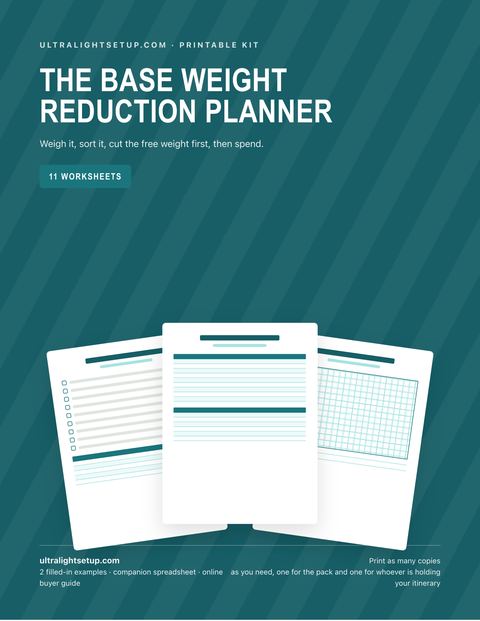
Weighing your own kit item by item? The Base Weight Reduction Planner is the paid version of these pages: 11 printable worksheets you fill in with your own numbers, two filled-in examples, a companion spreadsheet and the full PDF, $29.